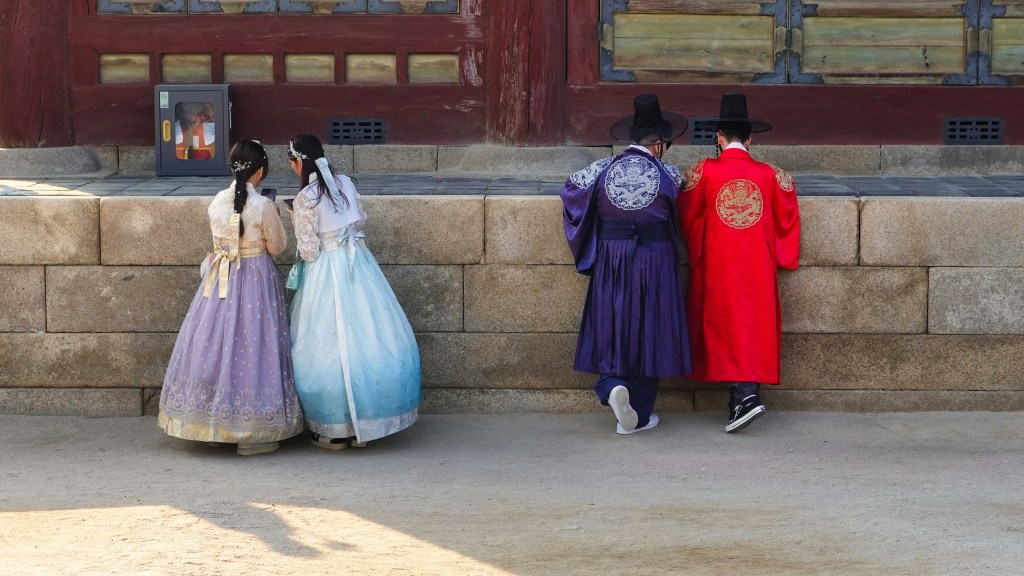
South Korea has a soft spot in my heart. It probably always will. I spent almost half of my 20s living over there. Those years were formative parts of my early adulthood and I have many fond memories from that season of life.
I still try to keep in touch with many different part of Korean culture. I still learn Korean for fun on Duolingo, I make Korean dishes for my family, and I watch Korean TV shows and movies. With Lunar New Year around the corner, I’ve been thinking about how much fun Seollal used to be when I lived in Seoul.
It is probably because of my connection to Seollal that I made this particular set of worksheets about Lunar New Year. One of my pet peeves —and I have many, ha!— is when Lunar New Year is used interchangeably with Chinese New Year. Though there are similarities and overlapping themes, they are not the same, and we’re doing a disservice to everyone who celebrates Lunar New Year when we don’t take the time to learn about the various groups of people around the world who celebrate this holiday. In some parts of the world, this holiday is as big as Christmas, Eid, Diwali or any other major holiday. Entire countries will shut down to prepare and observe this season. Big cities will empty as families will hit the road to visit hometowns and reconnect with extended family members. It’s a magical time. But the scale of the celebrations, the traditions, the food etc. are not the same from country to country.
So, what are the differences? I hope my resources will be a starting point for you. But I’d like to challenge you to go one step beyond that. Add your students’ expertise to a lesson on Lunar New Year. Do you have students who celebrate Lunar New Year? Create space in your lesson plan for them to share or teach the rest of the class (if they are willing). It could be a “show and tell” or a longer presentation. Tap into the expertise in your classroom. You won’t regret it. This type of lesson will help the students who do celebrate Lunar New Year feel seen. Maybe you are part of a school that is doing a wider-scale activity. Can you tie this type of event into your weekly lesson plans?
Over the past decade, I’ve seen a shift in school culture in Canada. We’re highlighting holidays from around the world in a way that we didn’t use to before. This is a wonderful place to start. It is only through this level of representation that we can achieve a sense of belonging in the classroom. And I promise…this work of creating a sense of belonging is everything. It means everything to our students.
Photo by Winged Jedi on Unsplash


 InclusiveEd
Leave a comment